
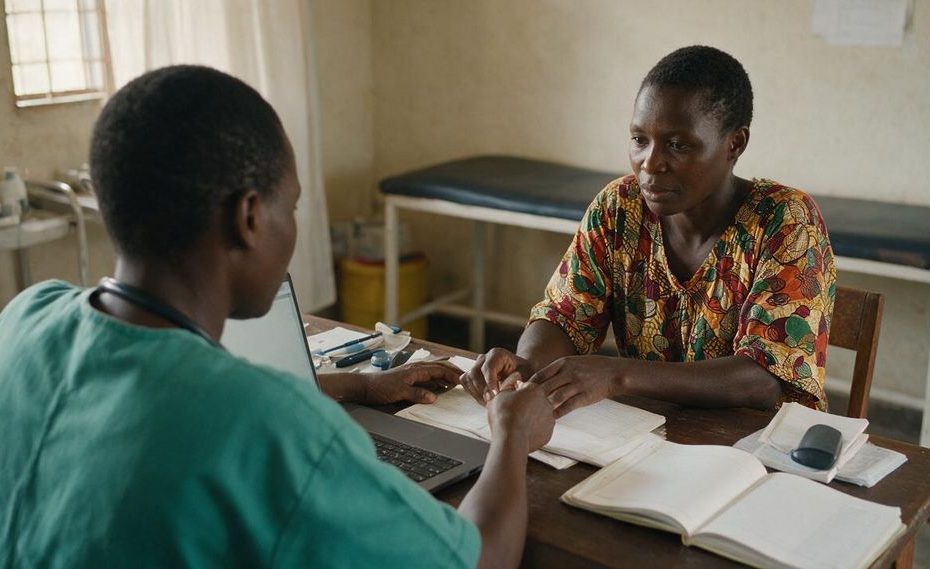
Medical giving creates long-term change when it strengthens the local people, clinics, supply chains, data systems, and leadership that deliver care every day. A donation lasts when the local health system can use it, maintain it, and keep producing results after outside funding ends.
Billions of people still lack full coverage for basic health services, so the instinct to give more and move faster makes sense. Yet a donated medical device without trained technicians, spare parts, reliable electricity, or suitable facilities can become an expense rather than an asset. The difference between temporary relief and durable progress comes down to how you structure the support.
What Does Medical Giving Actually Include?
Medical giving includes financial donations, institutional grants, medicine and equipment donations, professional training, and donated clinical expertise. You need to distinguish among these forms because each carries different costs, risks, and opportunities.
An individual donor may support a health organization with a recurring cash contribution. A company may provide medicines, diagnostic devices, logistics support, or technical knowledge. A foundation may finance health worker training, primary health care, research, or clinic expansion. Clinicians may contribute by training local teams or supporting a program requested and managed by a local partner.
These forms of healthcare philanthropy shouldn’t be judged by the same standard. A shipment of supplies can meet an immediate shortage, but it won’t solve weak procurement or unreliable transportation. A clinical visit can treat patients, but it won’t expand permanent access unless it transfers skills or supports an existing service. You should ask what remains after the donation has been spent, distributed, or used.
Why Does So Much Medical Giving Fail To Stick?
Medical giving often fails when donors respond to visible needs without checking what the recipient health system can absorb. Good intentions can produce expired medicines, idle equipment, duplicate services, storage costs, and extra work for local staff.
The World Health Organization (WHO) publishes detailed guidance for medicine and medical device donations because unsuitable donations have repeatedly caused operational problems. Medicines may not match local treatment guidelines, disease patterns, languages, or prescribing practices. Devices may require unavailable consumables, specialist maintenance, voltage standards, software licenses, or temperature-controlled storage. Local teams then inherit the cost of sorting, storing, repairing, or disposing of items they never requested.
Failure also occurs when an outside organization builds a separate service instead of improving the local one. A temporary program may offer higher salaries, draw workers away from public clinics, collect its own data, and create a separate supply chain. Patients receive care during the funding period, yet the underlying clinic remains understaffed and underfunded. When the outside program leaves, access can shrink back to its previous level.
Weak accountability adds another problem. Counting donated boxes, training sessions, or patient visits tells you what an organization did, not whether health improved. Lasting programs measure service access, treatment completion, medicine availability, worker retention, referral quality, and local financing. Activity matters, but outcomes show whether the gift solved the intended problem.
What Does Long-Term Change In Health Require?
Long-term change requires a functioning local delivery system, not a collection of isolated donations. That system needs trained workers, dependable supplies, suitable facilities, usable information, stable financing, and accountable leadership.
A clinic can’t provide reliable care when one of those parts repeatedly fails. Skilled clinicians can’t treat patients without medicines and working diagnostic tools. A stocked facility can’t serve remote communities when transport and referral routes break down. Funding the visible item without supporting the surrounding system leaves the original weakness in place.
Primary health care offers a practical model for connecting these parts. It brings prevention, diagnosis, treatment, follow-up, and referral closer to where people live. WHO guidance also emphasizes community participation and links between local services and wider health systems. Medical giving becomes more durable when it supports those connections rather than financing a stand-alone project.
You should view supply chains, supervision, maintenance, payroll, and data collection as direct parts of patient care. They may attract less attention than a new building or device, but they determine whether care is available next month and several years from now. Reliable operations turn a donation into a repeatable service.
How Can Giving Strengthen Local Health Workers?
You can strengthen local health workers by funding training, fair pay, supervision, safe working conditions, equipment, and career development. Donating tools without investing in the people who use them limits their value.
WHO projects a global shortage of about 11 million health workers by 2030, concentrated largely in lower-income countries. Rural and remote communities often face added difficulty recruiting and retaining clinicians. A new clinic won’t expand access if it has no nurses, laboratory staff, midwives, pharmacists, technicians, or community health workers. Workforce planning should start before construction or equipment procurement.
Community health workers can connect households with clinics, support health education, identify warning signs, encourage treatment follow-up, and help patients navigate referrals. WHO guidance calls for appropriate compensation, written roles, supportive supervision, integration with health teams, and career opportunities. Treating these workers as an unpaid add-on weakens retention and service quality. Funding their work as part of the health system creates a stronger base for continued care.
Skills-based giving should follow the same logic. External clinicians can contribute through requested training, mentoring, quality improvement, and specialist consultation. Short visits have greater value when local teams set the priorities and continue the work. The goal is to leave stronger clinical capacity, not a service that depends on repeated outside visits.
Is Money Better Than Donated Medicines Or Equipment?
Money is often more useful because local organizations can purchase what fits their treatment guidelines, facilities, supply systems, and maintenance capacity. Donated goods make sense when recipients request them and donors cover the full cost of safe use.
Cash gives local teams purchasing flexibility and can reduce shipping, customs, storage, and disposal burdens. It can also support less visible needs: fuel for outreach vehicles, technician salaries, spare parts, supervision, patient records, or temperature-controlled storage. These expenses keep care moving, yet donors sometimes restrict funding to physical items. Flexible funding allows the organization closest to the problem to respond as needs change.
An in-kind donation needs a clear acceptance process. The recipient should confirm the model, quantity, condition, remaining shelf life, language, power requirements, regulatory status, accessories, consumables, and maintenance plan. Training and installation costs belong in the donation budget. Shipping a device without those elements transfers risk and expense to the recipient.
Money isn’t automatically effective. You still need credible governance, financial controls, clear goals, and useful reporting. Judging an organization mainly by its administrative spending ratio can also mislead you because training, accounting, measurement, safeguarding, and technology support program quality. Compare the organization’s results, local relationships, learning practices, and financial management instead of chasing the lowest overhead percentage.
How Does Local Ownership Prevent Dependency?
Local ownership prevents dependency by placing decision-making, staffing, operations, and accountability with the people who will continue the service. External support then expands local capacity rather than replacing it.
Local ownership begins before a grant is approved or a shipment is packed. Community representatives, health workers, clinic managers, and public health leaders should define the need and shape the response. They know which services patients use, why referrals fail, which products are available locally, and what the clinic can maintain. Their participation reduces the risk of funding a solution that looks useful from a distance but doesn’t fit daily practice.
Giving can distort local systems when free products displace dependable local suppliers or outside groups compete with established clinicians. It can also create dependency when a service relies on imported staff, temporary salaries, or a separate procurement channel. You can reduce those risks by purchasing locally when practical, employing local workers, coordinating with existing services, and strengthening shared systems. The donation should expand what local institutions can manage, not weaken their authority.
Multi-year funding supports that goal better than a series of short grants. Health organizations need time to recruit workers, train supervisors, improve procurement, build trust, review results, and correct weak operations. Predictable funding also helps local leaders budget and negotiate longer-term financing. A responsible donor sets milestones without forcing the organization to redesign its priorities every few months.
Where Has Sustained Medical Giving Produced Durable Results?
Sustained medical giving has produced durable results when donors combined long-term commitment with community delivery, reliable monitoring, and coordination with national health programs. Disease control programs show that the donated product is only one part of the result.
The Guinea Worm Eradication Program offers a clear case. The Carter Center reports that annual human cases fell from an estimated 3.5 million when it began leading the campaign in 1986 to 10 reported cases in 2025. That progress didn’t depend on a curative medicine or vaccine. It relied on years of community education, water filtration, case detection, surveillance, local volunteers, national programs, and sustained financial and technical support.
The Mectizan Donation Program also demonstrates why delivery matters as much as the medicine. Merck began donating ivermectin for river blindness in 1987, paired with medical oversight and partnerships involving governments, international organizations, health programs, and affected communities. Community-based distribution helped move treatment beyond hospitals and into remote areas. The long commitment gave local programs time to build treatment routines, monitoring systems, and public trust.
These cases don’t prove that every disease-specific program will succeed. They show what medical giving can accomplish when the intervention fits the health problem and reaches people through organized local delivery. Years of coordination, accurate data, community participation, and continued follow-up produced the result. The gift worked because a system carried it.
How Should You Measure Results And Plan A Local Handoff?
You should measure health outcomes, service reliability, local capacity, and financial sustainability from the start. A handoff plan should identify who will manage the work, pay recurring costs, maintain assets, and review performance after donor support decreases.
Begin with a defined problem and a baseline. If the goal is better access to maternal care, counting training sessions won’t tell you whether patients receive timely services. You may need to review clinic coverage, staffing, referral completion, medicine availability, travel barriers, and service quality. Measures should match the problem the funding is intended to solve.
Evidence also needs honest interpretation. A program can show strong activity numbers without proving that it caused better health. Research findings may vary by location, delivery quality, disease burden, and population. The Cochrane review of mass deworming programs, for one, found little or no average improvement across several child health and education outcomes assessed in the included trials. That finding reinforces a practical rule: fund programs based on relevant evidence and keep measuring what happens locally.
Exit planning doesn’t mean choosing an arbitrary end date and walking away. It means building local management, recurring financing, procurement, maintenance, supervision, and data review into the original design. Funding can decrease in stages as local institutions assume responsibility. The strongest sign of success is a service that continues to operate well without permanent donor control.
How Can Medical Giving Create Lasting Change?
- Pay and train local health workers
- Strengthen clinics, data, and supply chains
- Donate only usable, maintainable goods
- Fund local leadership for years
- Measure outcomes and plan a local handoff
Build What Can Keep Working Without You
Medical giving works best when you treat it as an investment in local delivery rather than a transfer of money, products, or outside expertise. Fund the workers who provide care, the systems that keep supplies moving, and the local organizations that understand their communities. Check whether donated goods can be installed, operated, repaired, and replaced before sending them. Commit long enough for local leadership, financing, and accountability to take root. Durable giving leaves behind a clinic, workforce, or health program that can keep serving people after the donor steps back.
References
- World Health Organization: Universal Health Coverage
- World Health Organization: Health Workforce
- World Health Organization: Guidelines for Medicine Donations
- World Health Organization: Medical Device Donations
- World Health Organization: Community Health Worker Programmes
- The Carter Center: Guinea Worm Disease Program
- Mectizan Donation Program
- Cochrane Library
- The Overhead Myth.